Most people pack a storage unit the same way they pack a moving truck — start at the back, throw things in, and figure it out as they go. Three months later they're standing at the door trying to find one specific box while everything in front of it needs to come out first. We see this regularly at French Street Self Storage in Pimlico, and the fix is almost always the same: a bit of planning before the first box goes in saves a lot of frustration later.
This guide covers how to pack a unit properly — from the floor up, the back to the front — so nothing gets damaged, everything fits, and you can actually access what you need without unpacking half the unit every visit.
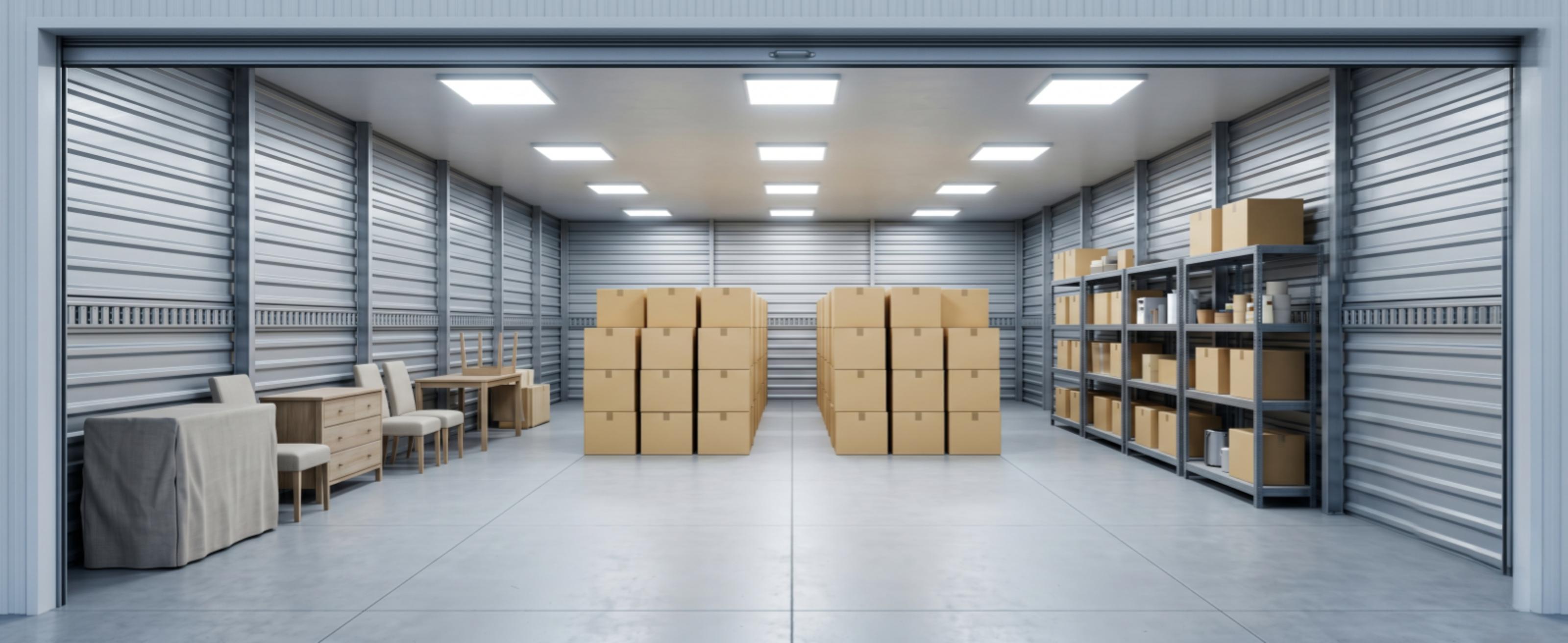
The short version: heaviest items against the back wall floor to ceiling, boxes stacked heavy-at-bottom, a clear walkway down one side, everything labelled on the sides not the top, furniture off the concrete, and nothing in plastic bags in Townsville's humidity. Apply this order and the unit works for you rather than against you.
Why Most People Get This Wrong — and What It Costs Them
The most common mistake isn't laziness — it's urgency. Most people arrive at a storage unit mid-move or mid-stress, wanting to get things in and go. The unit fills up in the order things came off the truck, which usually means the things you'll need most often end up at the back under the heaviest items. Then every single access visit turns into a mini unpack-and-repack operation.
In Townsville's subtropical climate, packing method also directly affects whether your belongings come out in the same condition they went in. Cardboard boxes stacked directly on concrete absorb moisture from the floor. Fabric furniture wrapped in plastic — the instinctive move — actually traps humid air against the fabric and creates mildew over time. Mattresses stored flat rather than upright sag and deform. These aren't hypothetical risks in North Queensland; they're things we see when customers access their units after a wet season.
The good news is that avoiding all of this takes about fifteen minutes of planning before you start loading — and it pays itself back every single time you visit the unit.
Before You Start — The Four Things to Organise First
Before a single box goes into the unit, sort four things:
- A rough floor plan. Sketch on paper or just decide mentally: heavy items back wall, medium items middle, light and frequently-needed items near the door. This takes two minutes and prevents completely reorganising the unit at the halfway point.
- Pallets or timber boards for the floor. Lifting everything off the concrete by even 10cm allows air to circulate underneath and eliminates direct moisture contact. Old pallets, timber planks or plastic shelf units all work. This matters more in Townsville than in a cooler, drier climate.
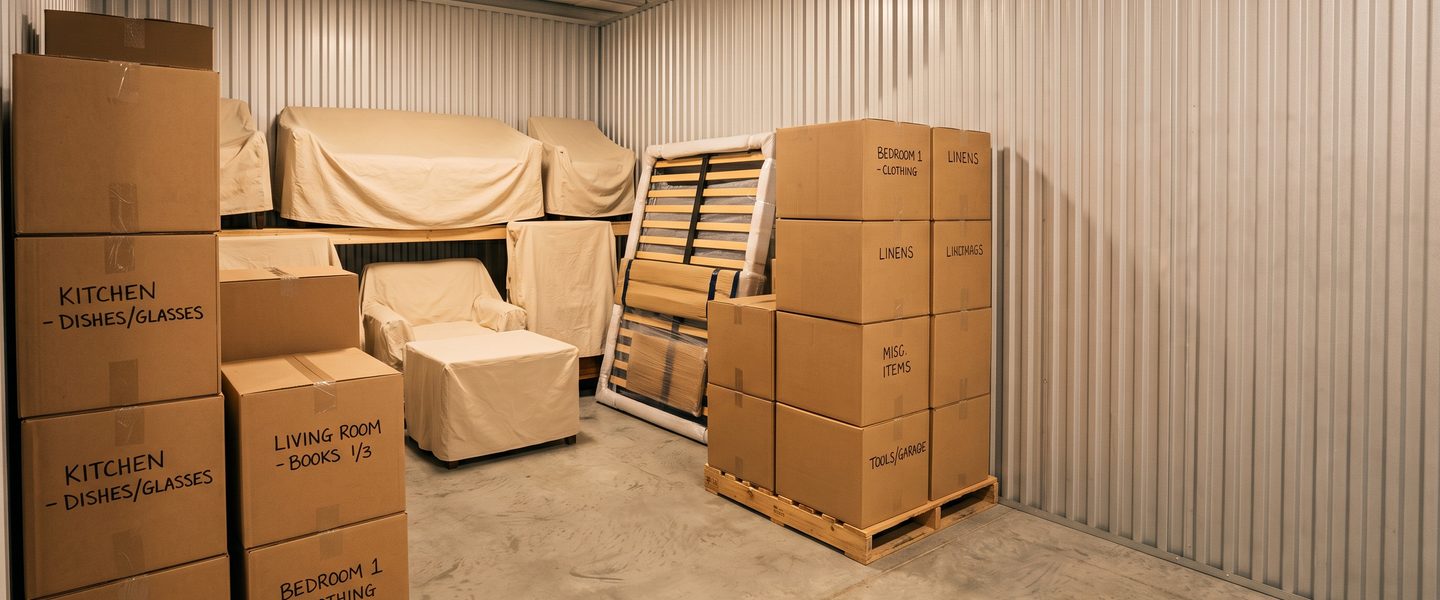
- A labelling system. Use a thick marker, not a pen. Write contents on at least two sides of every box — not just the top. When boxes are stacked, the top label is invisible. A simple room-plus-contents label on the side takes ten seconds and saves significant time later.
- A photo inventory. Before closing the unit for the first time, take photos on your phone of where everything is. This sounds excessive until the first time you need to find something specific three months in.
The Packing Order — Back to Front, Heavy to Light
Step 1 — Back Wall: Large Furniture and Appliances
Start with the biggest, heaviest items against the back wall. Wardrobes, bookshelves, bed frames, refrigerators, washing machines. Stand tall items upright — they take up less floor space that way. Disassemble beds, flat-pack furniture and table legs where possible; this dramatically reduces the footprint of large items. Place appliances on pallets or boards, not directly on the concrete.
Sofas can be stored on their end to save floor space, with the feet protected by old towels or cardboard. Cover upholstered furniture with breathable cotton sheets, not plastic wrap or black bags — plastic traps moisture against fabric in Townsville's humidity and guarantees mildew over a wet season.
Step 2 — Middle Zone: Stacked Boxes and Medium Items
Stack boxes floor to ceiling in the middle section. The rule for stacking: heaviest boxes on the bottom, lightest on top. Books, tools and kitchen items go low. Clothing, bedding and lightweight items go high. Fill boxes completely before sealing them — half-empty boxes collapse when stacked and the whole pile shifts. If you're light on contents, use crumpled paper or old towels to fill the space.
Place items you're unlikely to need near the back of this zone and items you might occasionally need closer to the walkway. Think of it as organising for access frequency, not just fitting things in.
Step 3 — The Walkway: Your One Non-Negotiable
Leave a clear aisle at least 60cm wide down one side of the unit from front to back. This is the single thing that separates a unit you can use from a unit that becomes a wall of cardboard you dread opening. Every item that blocks this walkway will eventually need to come out so you can reach something behind it.
Step 4 — Front Zone: Frequently Needed Items
The front metre of the unit — the section closest to the roller door — should hold anything you think you might need to access during the storage period. Seasonal clothing, tools you might want for a project, documents you might need. Make this section the easiest to get in and out of without disturbing anything behind it.
Townsville humidity tip: Place a few moisture-absorbing sachets (available from hardware stores) at the back of the unit and replace them every few months. This is particularly worthwhile if you're storing anything fabric, timber or paper-based through the wet season. The climate difference between dry and wet season in Pimlico is significant enough to matter for long-term storage.
Specific Items — What Goes Where and How
Mattresses
Store upright against a wall, not flat. Flat storage causes mattresses to sag and deform over time, especially in humidity. Use a breathable mattress bag rather than wrapping in plastic. If standing upright, make sure the mattress is well supported so it doesn't lean and bend at an angle over months.
Timber Furniture
Timber expands and contracts with humidity changes, which is why direct wall and floor contact matters. Keep timber furniture away from exterior walls and off the concrete floor. Wipe down with a dry cloth before storage — don't apply polish or oil before packing, as this attracts dust and insects over time.
Electronics
Original boxes are ideal — the foam was designed for that specific item. If you don't have the original packaging, wrap in bubble wrap and place in a sturdy box with padding on all sides. Electronics are sensitive to temperature and humidity swings; the drier and more central in the unit, the better. Don't store batteries inside electronics for long periods — remove them.
Clothing and Bedding
Use wardrobe boxes for hanging clothing — they keep items off the floor and maintain their shape. Folded clothing stores well in sealed plastic tubs (not bags) with a moisture-absorbing sachet inside. Avoid cardboard boxes for clothing in Townsville's climate; they absorb humidity and transfer it to the contents over time.
Boxes of Documents and Books
These go on the bottom of stacks, in sturdy boxes, on pallets. Heavy by nature, they need solid support from below and nothing heavy stacked on top. Seal the boxes properly — tape the bottom as well as the top. Documents in particular benefit from being in sealed plastic tubs rather than cardboard if they're staying in storage for more than a month or two.
What to Do if You're Storing During a Move
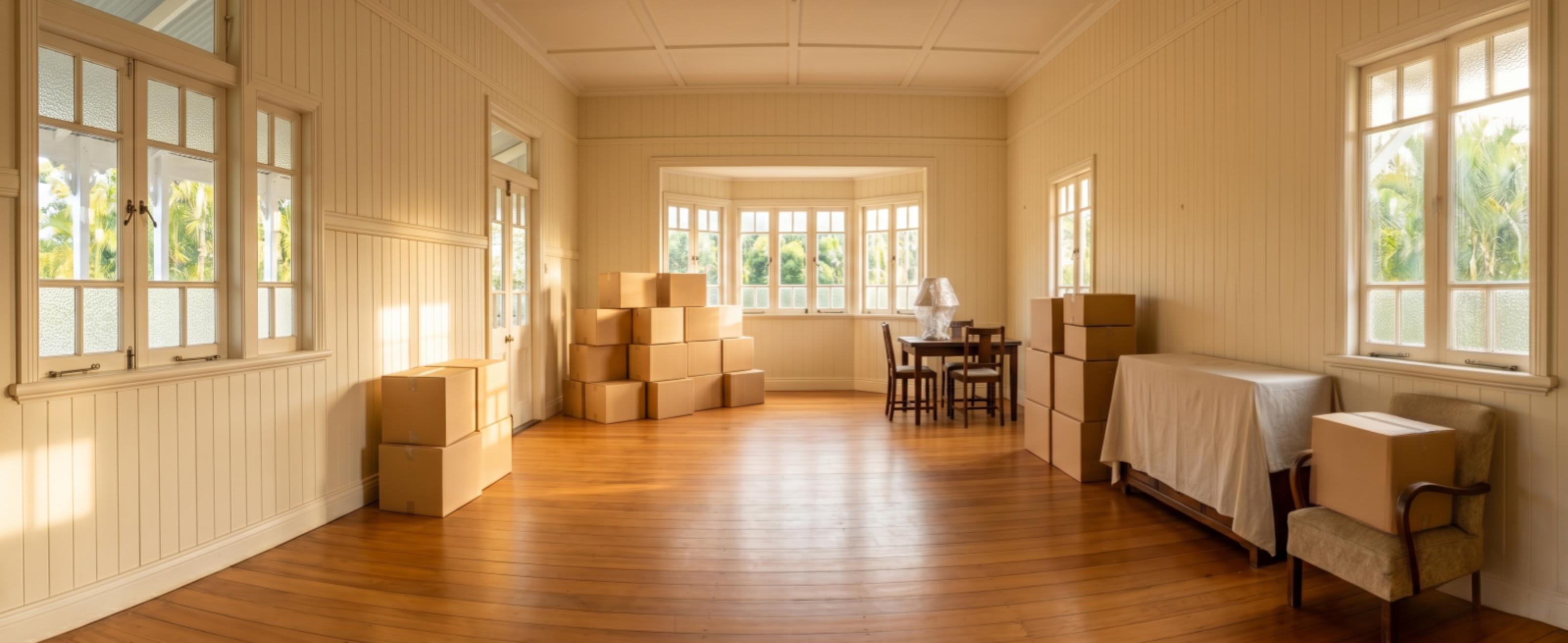
If you're using storage as part of a move — waiting on a settlement, between properties, or staging a house for sale — the packing approach is slightly different. In this case you're likely to need access more often, and the priority shifts toward accessibility over density.
Pack the unit with a clear distinction between "staging items I need for the house showing" near the front and "everything else" behind. Keep a list of which boxes contain what so you can pull specific items without rummaging. And if you're not sure how much storage space you actually need, err toward more rather than less — a packed-to-the-ceiling unit with no walkway is harder to use than one with a bit of breathing room.
All units at French Street Self Storage in Pimlico are currently leased. Check back here for future availability — we'll update the website as soon as a unit becomes free.
Frequently Asked Questions
What should I put in first when packing a storage unit?
Start with the largest, heaviest items against the back wall — furniture, appliances, bed frames. Stack these floor to ceiling if they are sturdy. Work forward toward the door with progressively lighter items. Leave a clear walkway down one side so you can access items at the back without unpacking the whole unit.
How do I stop my furniture getting damaged in storage in Townsville?
Townsville's subtropical humidity is the main risk. Keep furniture off the concrete floor using pallets or timber blocks to allow air circulation. Wrap fabric items in breathable cotton covers rather than plastic, which traps moisture. Disassemble beds and flat-pack furniture where possible to reduce surface area exposure. Do not store directly against exterior walls.
Should I label my boxes for storage?
Yes — and label on the side, not the top. When boxes are stacked you cannot see the top. Write a brief contents list and a room label on at least two sides of every box. Keep a simple written or phone-photo inventory list of which boxes are in the unit. This saves significant time when you need one specific item three months later.
Can I store a mattress in a Townsville storage unit?
Yes. Store mattresses upright rather than flat to prevent sagging. Use a breathable mattress bag rather than wrapping in plastic. If possible, lean against a wall rather than sitting on bare concrete. In Townsville's humid climate, a few moisture-absorbing sachets placed near the mattress will help prevent mildew over longer storage periods.
Looking for Storage in Pimlico?
French Street Self Storage offers drive-up access, a key-operated gate and free parking. All units are currently leased — check back for future availability.
Check Storage Availability