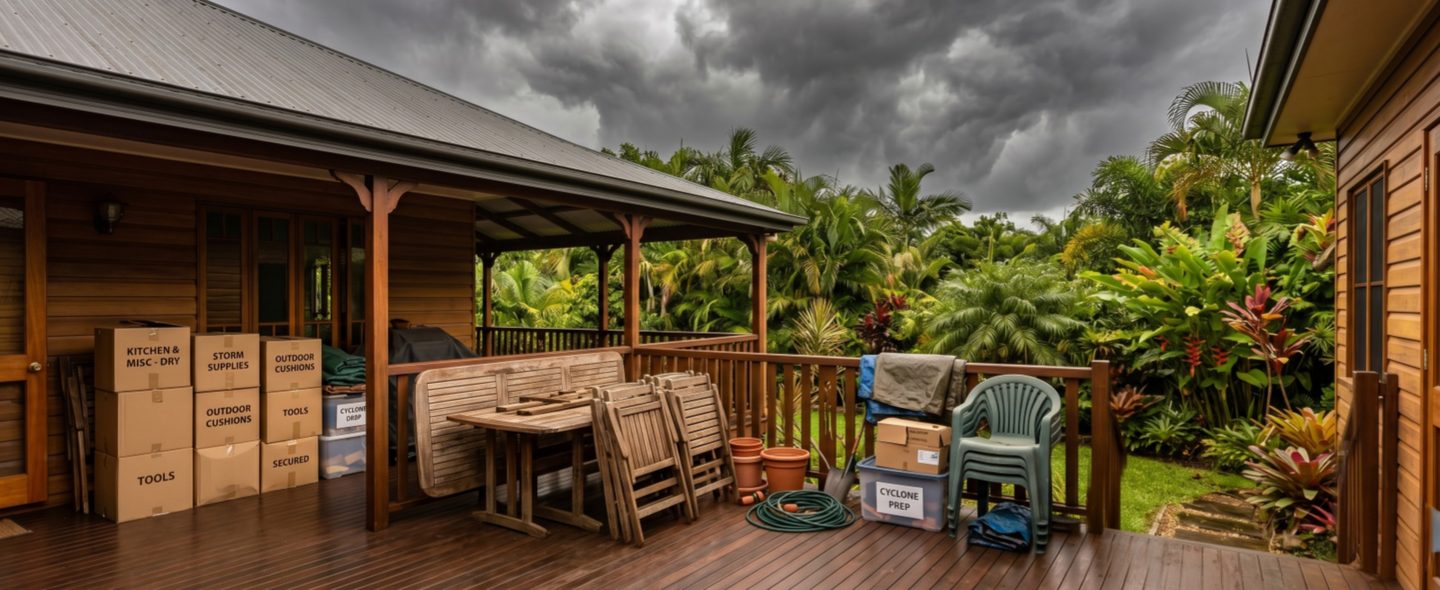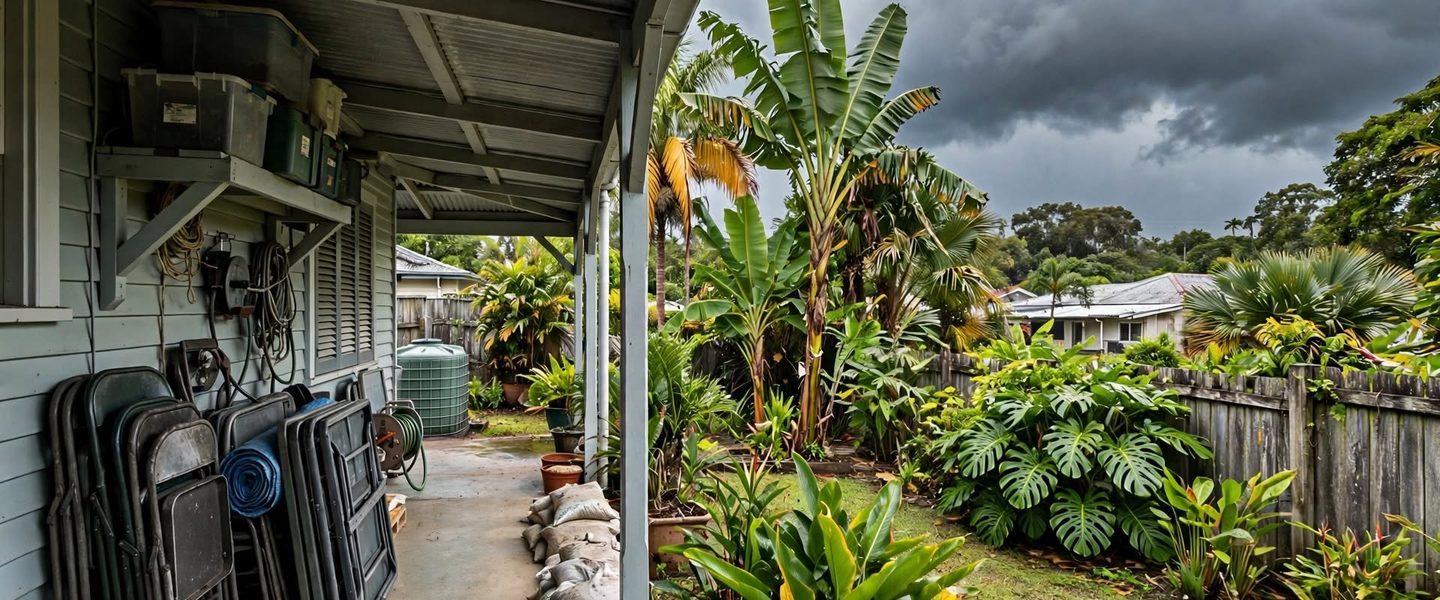
Every year in Townsville, the same thing happens in October and early November. Someone drives past a neighbour's house and notices a trampoline sitting in the front yard — still there, unsecured — and thinks "I should probably sort that out too." By the time a cyclone watch goes up, the window to do anything properly has already closed. The whole point of cyclone season preparation is that it happens before the season, not during it.
At French Street Self Storage in Pimlico, we see a consistent uptick in people looking for storage space in October and November. Outdoor furniture, garage overflow, equipment that can't stay outside through a wet season — all the things that need somewhere secure for five or six months. This checklist covers what to move, what to store, what to secure, and when to do each of it.
The short version: Townsville's cyclone season runs 1 November to 30 April. Preparation should be complete by late October. Anything that can become a projectile in high winds — outdoor furniture, BBQs, potted plants, trampolines, shade structures — needs to be secured or stored before any weather warning is issued. Do not leave this until a watch or warning is active.
The 2026–27 Outlook for North Queensland
In early October 2026 the Bureau of Meteorology warned of an increased chance that Queensland will see at least one severe cyclone — category 3 or stronger — this season. The main driver is warmer than usual sea temperatures in the Coral Sea, which give developing systems more energy to intensify, and forecasters also flagged that cyclones could track further south than normal. In an average season, one to two cyclones cross the Queensland coast. Last season, two category 5 systems (Narelle and Maila) formed in the Coral Sea — the first time on record since 1970. (Source: ABC News, 6 October 2026.)
An outlook isn't a forecast that Townsville will be hit. What it does tell you is that this is not a year to leave the checklist below half-finished. The Bureau is also expecting a hotter than average lead-up to December, so the cooler mornings of late October are the best window to get the outdoor work done.
Why Townsville Specifically — Understanding the Risk
Townsville has experienced more significant tropical cyclones than almost any other Australian city. Cyclone Yasi crossed the coast at Mission Beach, north of Townsville, as a Category 5 system in February 2011, and its outer bands still brought damaging winds to the city. In January 2024, Cyclone Kirrily crossed the coast just north of Townsville itself. Further back, Cyclone Althea in 1971 made a direct hit on Townsville itself, destroying hundreds of homes.
What makes Townsville's position significant is its location — central North Queensland coast, directly in the corridor where systems forming in the Coral Sea track toward land. The city's geography means it receives not just direct hits but the outer band damage from systems crossing elsewhere on the coast. Even a cyclone that makes landfall well north or south of Townsville can bring damaging winds, flooding rain, and storm surge risk to parts of the city.
This is the context for why cyclone preparation in Townsville isn't optional or precautionary. It's a genuine annual requirement for any household. The question isn't whether a season will bring risk — it's whether your home and belongings are ready when it does.
When to Start — The October Timeline
October is the right month to begin. This gives you a full four to six weeks before cyclone season officially opens on 1 November, and well before the peak December to March period when most significant systems occur. The preparation tasks below are organised roughly in order of priority — start at the top and work down through October so everything is done before the season is active.
The Complete Cyclone Season Preparation Checklist
Outdoor Furniture and Yard Items
- Outdoor furniture — chairs, tables, lounges — moved inside, to the garage, or to secure storage
- BBQ and outdoor cooking equipment stored under cover or indoors
- Potted plants — heavy pots moved to a sheltered position, lightweight pots stored inside
- Trampoline — deflated and stored flat, or secured with tie-down straps rated for wind loading
- Children's play equipment — cubby houses secured to the ground, small items stored inside
- Garden tools — rakes, shovels, hoses, stakes — all moved to garage or storage
- Shade sails and umbrella stands — removed and stored; shade sails must come down, not just be tied back
- Clotheslines and garden furniture cushions stored inside
- Bins chained or stored inside before any weather warning
- Vehicles parked in garage or away from large trees where possible
Home Structure and Fittings
- Gutters and downpipes cleaned before the wet season arrives
- Roof checked for loose tiles, sheets or fasteners — particularly for older Queenslander homes
- External doors and windows confirmed to close and latch securely
- Garage door checked — if not cyclone rated, park vehicles elsewhere when a warning is active
- Any existing roof tie-downs inspected if your home has them
- Fences checked — loose or damaged fence panels become projectiles in high winds
- Trees near the house checked — overhanging branches over the roof or power lines should be trimmed before the season, not during
Emergency Supplies and Documents
- Emergency kit stocked: torches, batteries, first aid kit, three days of water and non-perishable food
- Important documents — insurance policies, IDs, passports — copied and stored in a waterproof container
- Insurance policy reviewed: is your cover current? Does it cover the replacement value of your contents?
- Generator tested and fuel stored safely if you have one
- Portable battery bank charged for phone and device power during outages
- Emergency contacts list written and kept with your documents (don't rely solely on a phone that may lose power)
- Know your local evacuation route and the location of your nearest evacuation centre
Insurance timing: Insurers in North Queensland typically stop issuing new policies or increasing coverage once a cyclone watch or warning is active for your area. Review your policy in September or October — not when you hear about a developing system. This is one of the most common and most costly mistakes Townsville households make every season.
What Can't Stay Outside — The Projectile Risk List
In the context of cyclone winds, the question for any outdoor item is: if this became airborne, what damage would it do? A 15kg outdoor chair moving at cyclone wind speed has enough force to penetrate a wall. A trampoline — particularly an older one not rated for wind loading — can travel extraordinary distances and cause serious damage to neighbouring properties and their occupants.
Official Queensland emergency guidance is clear: anything that can move in high winds should be secured or stored inside before a cyclone watch is issued. Once a watch is active, you should not be going outdoors to move things. The time to act is before the system is close enough to generate a formal warning.
Items that consistently cause problems in Townsville events include shade sails left up, bins left at the kerb, outdoor furniture not stored, and loose building materials in yards from renovation projects. None of these are difficult to deal with — they just require doing it in October rather than on the day of a warning.
Using Storage to Clear Space Before the Season
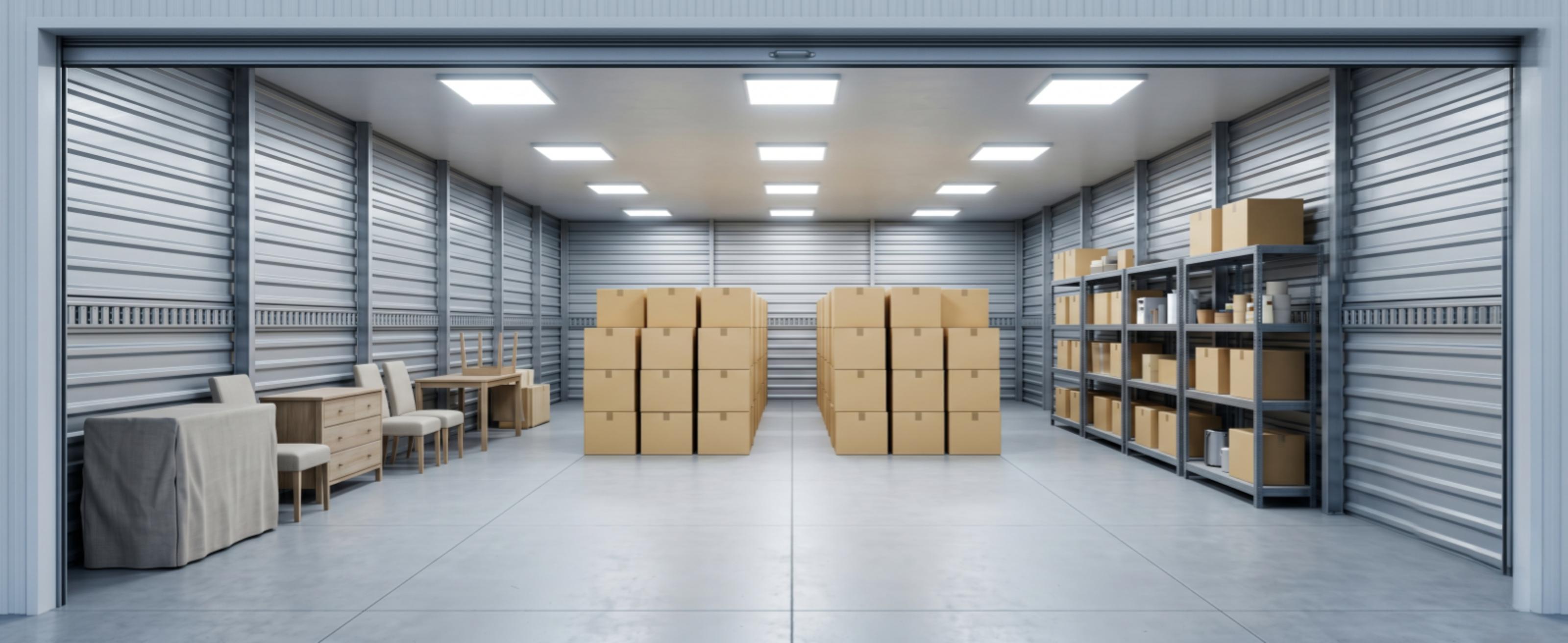
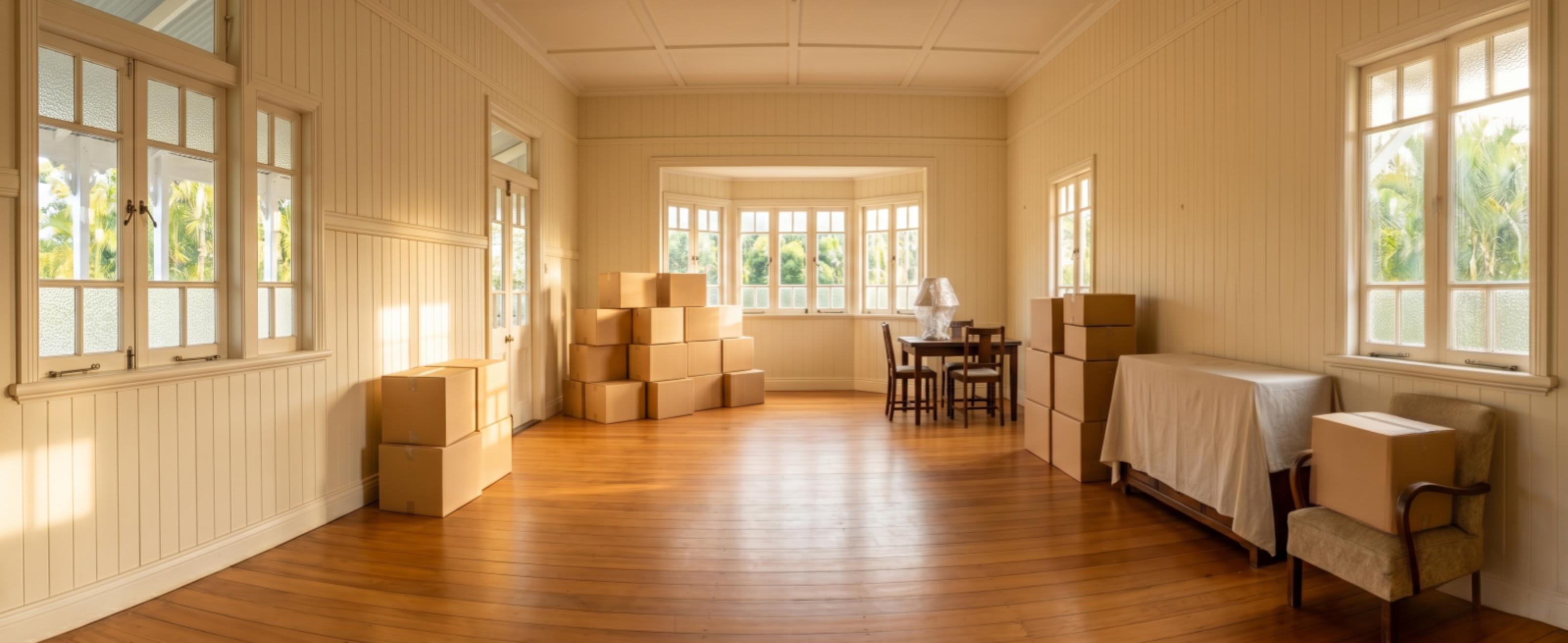
One practical problem many Townsville households face is simply not having enough indoor space to bring everything inside. A garage already full of accumulated items leaves no room for the outdoor furniture that needs to come in before November. This is where a short-term storage unit genuinely earns its cost — clearing the garage of items that don't need to be there creates the space to bring outdoor items inside properly.
We see this pattern at French Street Self Storage every October. People who've been meaning to sort the garage for months suddenly have a good reason to do it. A storage unit sized right for what they're moving — typically an 18sqm unit for the overflow of one household — lets them clear the space they need without throwing things out before they're ready to. After the season ends in April, they can bring things back in or use the cleared garage as a reason to properly downsize and declutter what doesn't need to come back at all.
All units at French Street Self Storage in Pimlico are currently leased. Check back here for future availability — we'll update the website as soon as a unit becomes free.
After a Cyclone — What to Do First
If a cyclone does affect your area, the Queensland Government and emergency services advice is consistent: stay indoors until the official all-clear is given. The eye of a cyclone can give a false impression that the event is over — conditions can deteriorate rapidly as the back half of the system passes. Wait for the official all-clear from authorities before going outside.
Once the all-clear is given, the priority order for most households is: check for structural damage to your home before re-entering, photograph all damage before moving or cleaning anything (your insurer will need this), check on neighbours — particularly elderly or vulnerable people nearby — and contact your insurer as soon as possible to begin the claims process. Do not begin repairs or cleanup until you've documented the damage photographically.
Frequently Asked Questions
When does cyclone season start in Townsville?
Cyclone season in Queensland officially runs from 1 November to 30 April, with peak activity typically between December and March. Townsville sits in a historically active cyclone corridor — the region has experienced numerous significant cyclones over the past century, including Cyclone Yasi in 2011 and Cyclone Kirrily, which crossed the coast just north of Townsville in January 2024. Preparation is best completed well before November 1 rather than waiting for a weather warning.
What is the cyclone outlook for Townsville for 2026–27?
In October 2026 the Bureau of Meteorology warned of an increased chance of at least one severe cyclone, category 3 or stronger, affecting Queensland this season, driven by warmer than usual Coral Sea temperatures. Forecasters also said cyclones could track further south than usual. That doesn't mean Townsville will be hit, but it is a strong reason to finish preparation before 1 November.
What outdoor items should I store or secure before a cyclone in Townsville?
Any item that can become a projectile in high winds should be secured or moved inside. This includes outdoor furniture, BBQs, potted plants, garden tools, children's play equipment, trampolines, umbrellas and shade structures, bins, and any loose decorative items. Items that cannot be stored inside should be tied down or placed in a secure storage unit before a cyclone warning is issued — not during one.
Can I access my storage unit during a cyclone warning in Townsville?
No — and you should not try to. Once a cyclone watch or warning is issued for Townsville, Queensland Police and emergency services advise residents to shelter in place and avoid all unnecessary travel. Access your storage unit well before any warning is issued to retrieve or secure any items you need. French Street Self Storage in Pimlico is a secure, gated facility, but no building is cyclone-proof, so check that your contents insurance covers items held in storage.
How early should I start cyclone season preparation in Townsville?
October is the right time to start. This gives you a full month before cyclone season officially opens on 1 November to clear outdoor areas, service generators and emergency equipment, review your insurance, stock your emergency kit, and arrange secure storage for items that cannot stay outside. Waiting for a weather warning leaves too little time to do any of this properly.
Need Storage Before Cyclone Season?
French Street Self Storage in Pimlico is secure, gated and drive-up. All units are currently leased — check back for future availability.
Check Storage Availability