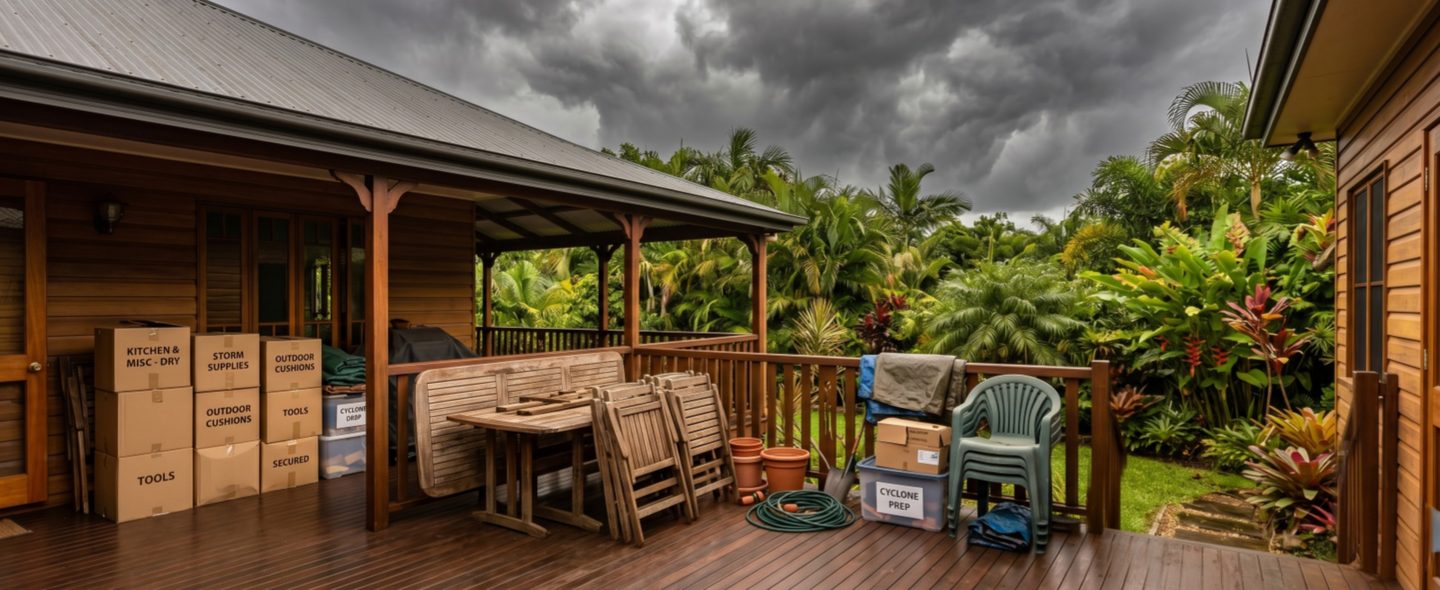
If you own a home in Townsville, you already know that insurance premiums are higher than almost anywhere else in Australia. The reason comes down to one thing: location. Townsville sits in Cyclone Zone 4, one of the most cyclone-exposed regions on the continent, and every insurer prices that risk into their policies — often significantly.
Understanding what Cyclone Zone 4 actually means, what your policy does and doesn't cover, and what you can do to reduce your premium without compromising protection is genuinely useful knowledge for any Townsville homeowner. This guide covers the essentials.
What Is Cyclone Zone 4?
Australia classifies its wind regions into four zones, from C (mild, most of the country) through to D (the most severe). Townsville falls into Wind Region C with a high cyclone hazard rating — effectively what insurers refer to as Cyclone Zone 4. This means the region is assessed as having a meaningful probability of experiencing a severe tropical cyclone in any given year.
This classification directly affects the engineering standards that buildings must meet and the risk calculations that insurers use when setting premiums. The higher the zone rating, the more an insurer expects to pay out in claims, and the higher the premium they charge.
What Does Home Insurance Cover in Townsville?
A standard home and contents policy in Townsville should cover damage caused by:
- Cyclone winds and associated debris damage
- Storm surge and flash flooding (check your policy — this varies)
- Rainwater entering through cyclone-damaged sections of the building
- Fire, theft, and accidental damage
- Loss or damage to contents from covered events
What is typically not covered
- Flooding from rivers and storm water runoff — this often requires a separate flood policy
- Damage that occurred before you took out the policy
- Gradual deterioration or maintenance issues
- Items stored off-premises (your self storage unit contents need separate cover)
- Damage during the cyclone waiting period (many policies have a 72-hour exclusion after you take out or renew the policy)
Standard home insurance in Queensland often excludes flooding from rivers and overland water flow even while covering cyclone wind damage. Given Townsville's flood history — including the major 2019 flooding event — this is a critical distinction. Ask your insurer specifically whether riverine and overland flooding is included.
Why Are Townsville Premiums So High?
Beyond the cyclone zone classification, several other factors push Townsville premiums higher than southern cities.
Reinsurance costs
Australian insurers purchase their own insurance (called reinsurance) from global reinsurers. After major North Queensland cyclone events, reinsurance costs have increased substantially, and those costs are passed directly to policyholders in high-risk regions like Townsville.
Building replacement costs
Construction costs in North Queensland are higher than in major southern cities due to remoteness, supply chain factors and the need to meet cyclone-rated building standards. This pushes up the sum insured amount needed to properly cover your home.
Claims history in the region
Townsville has experienced significant weather events that have generated large insurance payouts. Insurers factor the historical claims data for the region into their pricing models.
How to Reduce Your Townsville Home Insurance Premium
While you can't change the cyclone zone, there are legitimate ways to reduce what you pay without dangerously underinsuring your home.
1. Improve your home's cyclone resilience
- Install cyclone-rated roof strapping or tie-downs if not already present
- Replace older roof sheeting with modern cyclone-rated materials
- Install shutters or cyclone film on windows and glass doors
- Ensure your garage door is cyclone-rated — this is one of the most common failure points
Some insurers will discount your premium for documented improvements to cyclone resilience. Ask your insurer what improvements they recognise.
2. Compare policies — don't auto-renew
The difference between insurers operating in Townsville can be significant. RACQ, Suncorp, QBE, Budget Direct and others all price the same property differently. Using a comparison site or broker every renewal year is worth the time investment.
3. Review your sum insured
Being over-insured (sum insured significantly higher than rebuild cost) means you're paying premiums on value you'd never recover. Get an independent building valuation every few years to ensure your sum insured is accurate — not just the purchase price or market value.
4. Increase your excess
Choosing a higher excess (the amount you pay in a claim before insurance kicks in) reduces your annual premium. This works well if you have savings to cover a larger excess in the event of a claim and you're primarily insuring against major damage rather than smaller events.
5. Bundle home and contents
Most major insurers offer a discount when you hold both building and contents insurance with them. If you have them with separate providers, it's worth checking whether combining saves money.
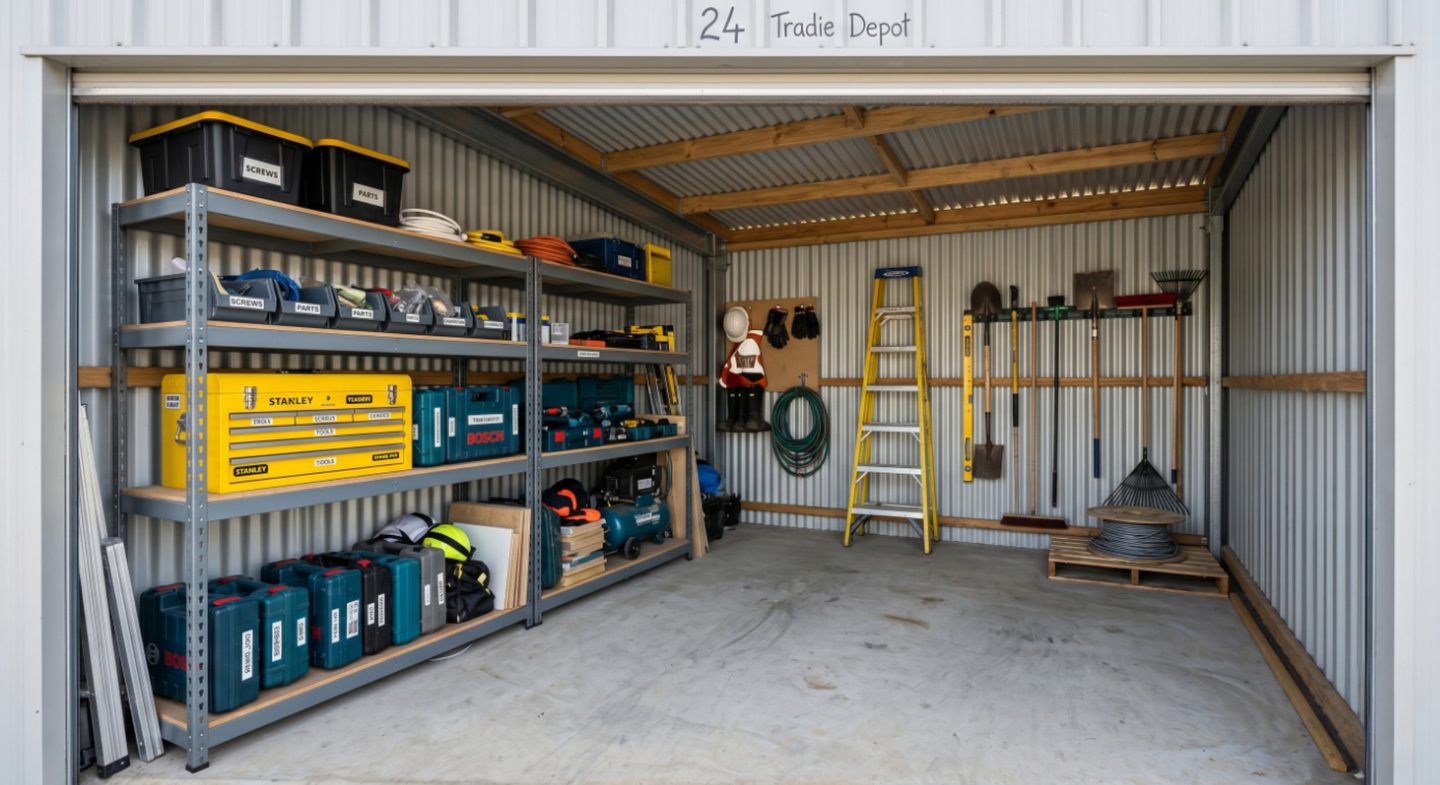
Your home contents policy generally does not cover items you've moved into a self storage unit. If you're storing valuable items off-site — furniture during a renovation, business stock, or collectibles — ask your insurer whether an extension is available, or consider a separate storage insurance policy.
The Cyclone Waiting Period — What It Means When Renewing
Most home insurance policies in Queensland include a cyclone waiting period clause. This means that if you take out a new policy or switch insurers during the cyclone season (typically November to April), cyclone damage may not be covered for the first 72 hours after inception. This is designed to prevent people from only insuring their home when a cyclone is actually approaching.
The practical implication: don't leave your renewal to the last minute during cyclone season, and don't switch insurers if a cyclone is already forming in the Coral Sea.
Useful Resources for Townsville Homeowners
- Queensland Government's cyclone preparation guides at qld.gov.au
- The Insurance Council of Australia's Understand Insurance resource at understandinsurance.com.au
- Townsville City Council's flood mapping at townsville.qld.gov.au
- The Australian Financial Complaints Authority (AFCA) if you have an insurance dispute
Storing Valuables During Renovations or Moving?
French Street Self Storage in Pimlico has secure units with drive-up access. All units are currently leased — check back for future availability.
Check Storage Availability