It's one of the most common questions we get at French Street Self Storage in Pimlico: "Can I store this?" Usually the answer is yes — the vast majority of household goods, furniture, business equipment and personal items are perfectly fine in a storage unit. But there are genuine exceptions, and some of them are the kinds of things people assume they can store without thinking twice. Getting this wrong creates real problems — for your other belongings, for the facility, and sometimes for the people around it.
This guide covers what you can store, what you can't, and what falls into the "check with us first" category — particularly for the kinds of items that come up regularly in a North Queensland context.
The short version: furniture, appliances, clothing, books, tools, business equipment and most household goods are fine. Flammable liquids, gas cylinders, perishable food, live plants, living things, illegal items and anything that produces odours or attracts pests are not. When in doubt, ask us before you load the truck.
What You Can Store — The Full List
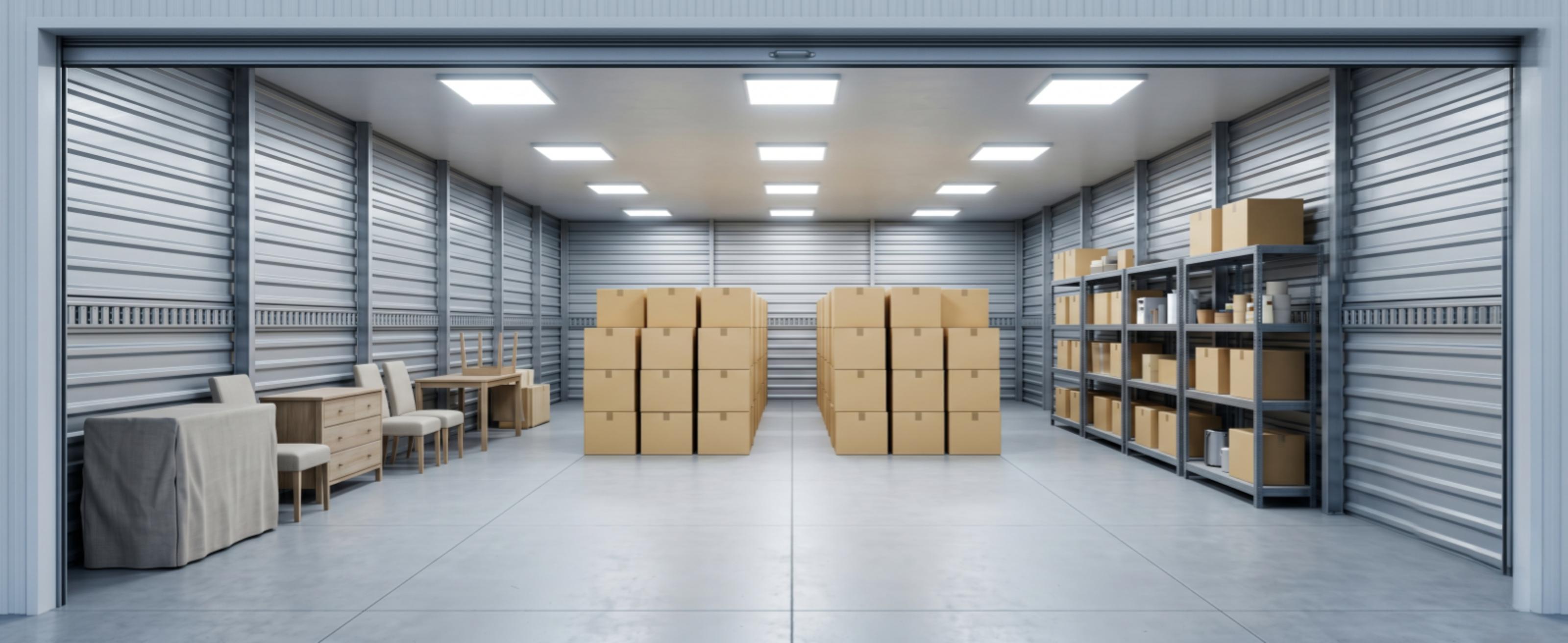
The range of items that store well and are permitted in a self storage unit is broad. If you're in the middle of a move, downsizing, or clearing space for a renovation, almost everything you'd need to store falls into this category.
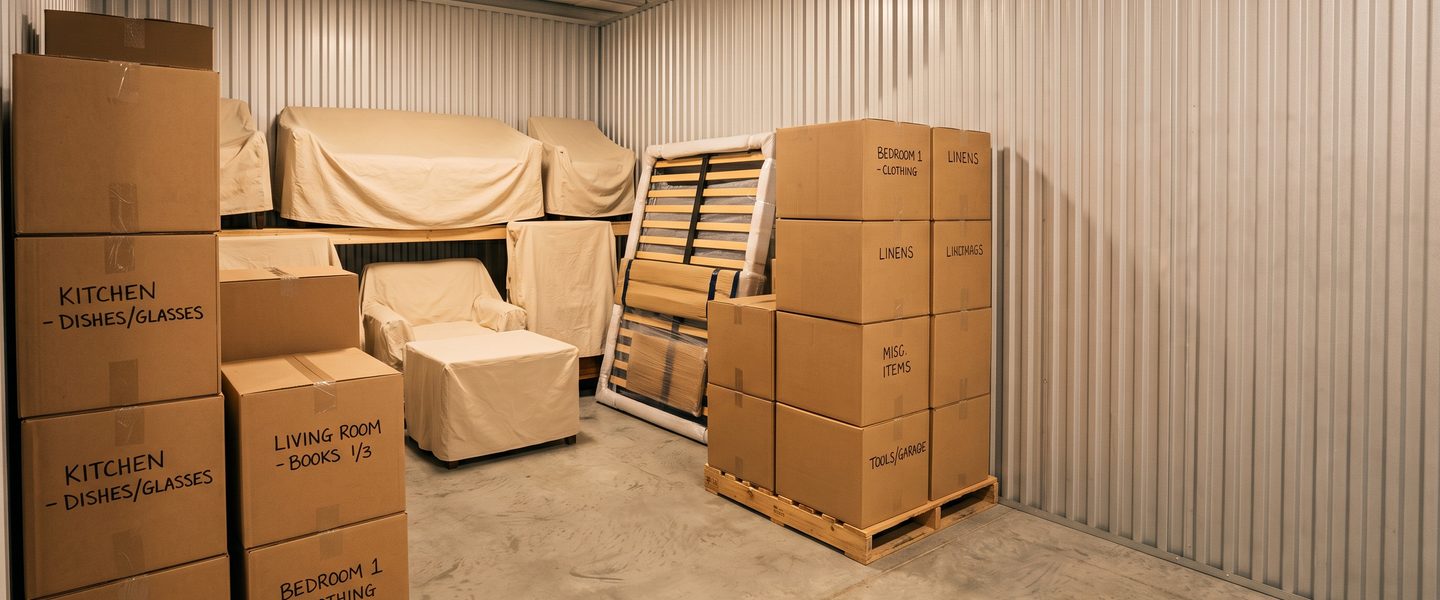
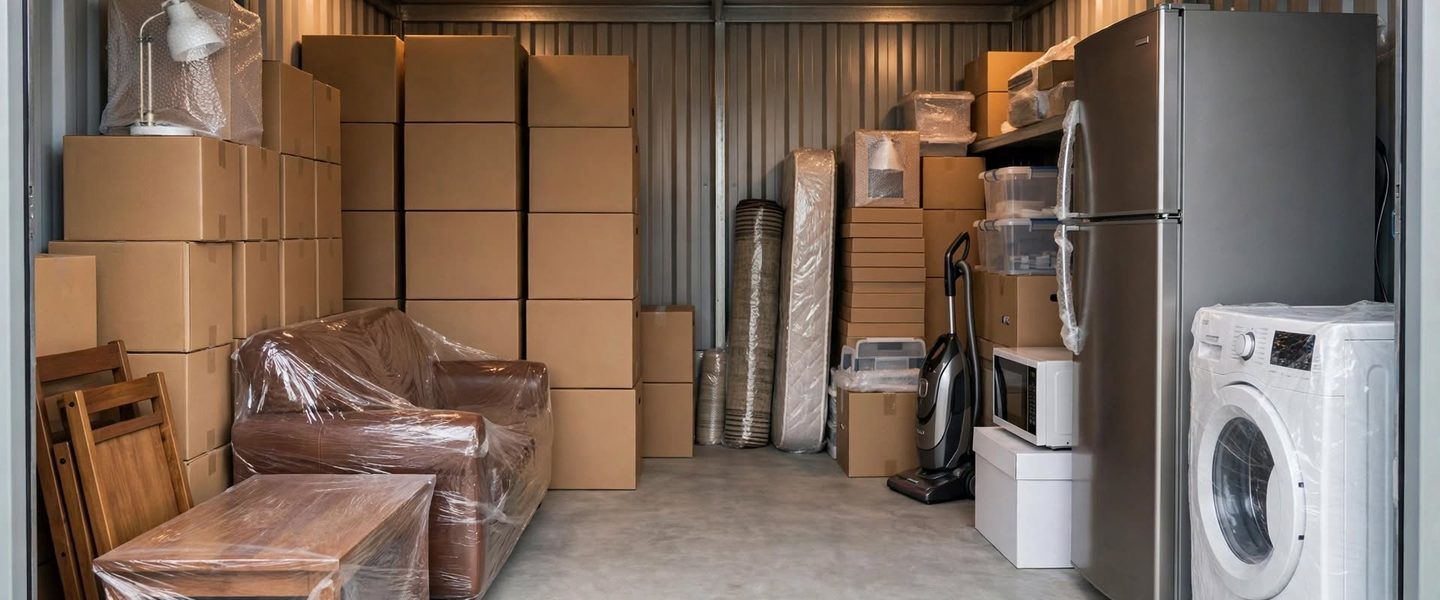
Household Goods and Furniture
- Sofas, armchairs and upholstered furniture
- Beds, mattresses, bed frames and headboards
- Dining tables, chairs and sideboards
- Wardrobes, bookshelves and storage units
- Refrigerators, washing machines, dryers and dishwashers (must be clean and dry)
- Televisions, computers and other electronics
- Boxes of clothing, shoes, bedding and linen
- Kitchen items, crockery and cookware
- Books, documents and office files
- Children's toys, bicycles and sporting equipment
- Garden furniture and outdoor cushions
- Musical instruments (with appropriate packaging and humidity consideration)
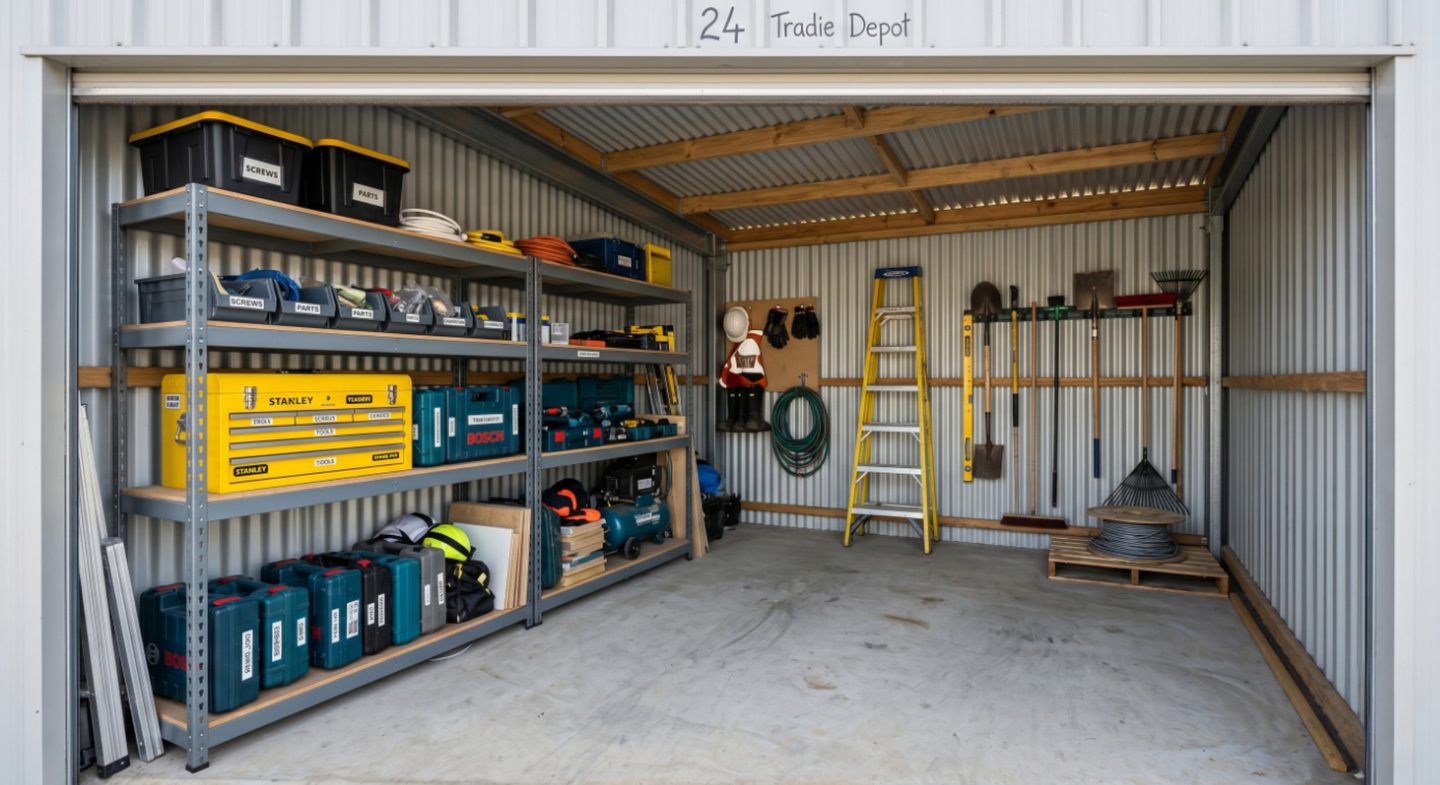
Trade and Business Equipment
- Power tools, hand tools and trade equipment
- Ladders and scaffolding components
- Building materials — timber, pipe, cable (in manageable quantities)
- Business stock and retail inventory
- Office furniture and equipment
- Display materials, signage and event equipment
- Machinery and equipment (non-flammable, non-fuel-powered)
What You Cannot Store — Prohibited Items
The prohibited list exists for reasons that are practical and often legal. Flammable materials in a storage facility create fire risk for every customer's belongings, not just yours. Perishables and food attract pests that don't stay contained to one unit. Some items are prohibited by law to store in commercial facilities. None of these are arbitrary rules.
Prohibited Items — Do Not Store
- Flammable liquids: petrol, diesel, kerosene, paint thinner, turpentine, acetone, alcohol-based solvents
- Gas cylinders: LPG, compressed gas, oxygen cylinders — even empty ones
- Explosives: fireworks, ammunition, flares
- Perishable food: anything that will rot, ferment or decay
- Living things: plants, animals, insects
- Illegal items: stolen goods, prohibited substances or anything unlawful to possess
- Hazardous chemicals: pesticides, acids, corrosives
- Asbestos or contaminated materials
- Anything producing odours that could affect other customers' stored goods
- Motor vehicles — cars, motorbikes (standard units are not designed for vehicle storage)
Why the fuel rule matters in North Queensland: Townsville's subtropical heat means temperatures inside a storage unit can rise significantly during summer months. Flammable liquids expand with heat and can ignite at lower temperatures than in cooler climates. The prohibition on fuels and flammable solvents is absolute — not a quantity or container question.
The Grey Zone — Items That Need a Conversation
Some items aren't straightforwardly permitted or prohibited — they depend on quantity, condition, how they're packaged, and how long they'll be stored. If anything on this list applies to your situation, contact us before you bring it in.
Paints
Water-based paints in sealed, undamaged tins are generally acceptable in small quantities for short storage periods. Oil-based paints, enamels and anything solvent-based are prohibited. If you have leftover paint from a renovation and you're not sure of the type, check the tin — water-based products will say "clean up with water" on the label.
Cleaning Products
Household cleaning products in sealed containers are generally fine. Concentrated industrial-strength cleaners, bleach in large quantities, and anything that releases fumes even when sealed should not be stored.
Lawnmowers and Garden Equipment with Fuel Tanks
Petrol-powered garden equipment can be stored if the fuel tank has been completely drained before the item goes into the unit. A tank that "feels empty" is not empty enough — there is almost always residual fuel and vapour. Drain it, run the engine until it stops from fuel starvation, then store.
Musical Instruments
Most instruments store fine with appropriate packaging and humidity management. Pianos are the exception — they are large, sensitive to temperature and humidity, and require proper crating or specialist moving if they're being stored for any length of time. A standard storage unit is not ideal for a piano in Townsville's climate without specialist precautions.
Artwork and Antiques
Artwork, antiques and items of significant monetary or sentimental value store fine in a clean, dry unit — but the Townsville climate means humidity management matters more than in a cooler city. For items of significant value, consider whether you need climate-controlled storage rather than a standard unit. We recommend speaking with us about your specific situation before committing.
Townsville Climate Considerations — What This Means for Your Stored Items
Townsville's subtropical climate — hot, humid wet season from November to April, warm and dry dry season from May to October — creates conditions that affect some stored items differently from what you might expect in a southern city. This doesn't change the permitted/prohibited lists, but it does affect how you prepare items for storage.
Timber furniture, fabric items and paper-based goods are the most sensitive to humidity fluctuations. Our guide on how to pack a storage unit properly covers specific preparation steps for Townsville's climate — including keeping items off the concrete floor, using breathable covers rather than plastic, and placing moisture-absorbing sachets in the unit. These steps matter more here than they would in Brisbane or further south.
Electronics are best stored in sealed boxes with moisture-absorbing packaging, away from direct contact with the floor. Clothing and fabric items do well in sealed plastic tubs with a sachet inside rather than cardboard boxes, which absorb humidity over a wet season.
For Tradies and Business Customers
Trade and business storage is one of the most practical uses of a Pimlico storage unit. A central, drive-up accessible equipment base close to the CBD saves time and vehicle wear compared to hauling everything from a residential address. If you're a tradie looking to use a storage unit as a business base, the key thing to know is that standard trade equipment — power tools, hand tools, ladders, building materials, safety gear — is all permitted. The restriction that sometimes catches tradies out is fuel: if you store equipment that has a fuel tank, drain it completely before storage.
If you're unsure about a specific item or material, contact us before bringing it in. It's a much easier conversation before than after. All our storage units are currently leased — check back here for future availability.
Frequently Asked Questions
Can I store a car or motorbike in a storage unit in Townsville?
Vehicles cannot be stored in standard self storage units. Our units at French Street Self Storage are for household goods, business equipment, furniture and similar items. For vehicle storage, you would need a facility with dedicated vehicle bays or undercover parking. If you have a motorbike, scooter or small trailer, contact us to discuss your specific situation.
Can I store food in a Townsville storage unit?
Non-perishable, sealed commercial food items are generally acceptable in short-term storage situations. However, perishable food, open food products, and anything that could attract pests should not be stored. In Townsville's subtropical climate, even sealed food items can attract insects over extended periods. We strongly advise against storing any food in your unit.
Can I store chemicals or paint in a storage unit?
Flammable chemicals, solvents, fuels, gas cylinders and most paints are prohibited from self storage units. This includes petrol, diesel, paint thinners, turpentine, and similar substances. Standard water-based paints in sealed containers may be acceptable in small quantities, but check with us before storing any chemical product. The prohibition on flammables applies regardless of the quantity involved.
Can I store my business stock or equipment in a Townsville storage unit?
Yes — business stock, trade tools, equipment and materials are among the most common things stored at French Street Self Storage. Our units suit tradespeople needing a secure, central equipment base in Pimlico. Business customers can access their unit during facility hours on a key-operated gate basis. Contact us to discuss your specific requirements.
Not Sure If You Can Store It?
Get in touch before you load the truck. Our team at French Street Self Storage in Pimlico can answer any question about what's permitted in your unit.
Contact Us